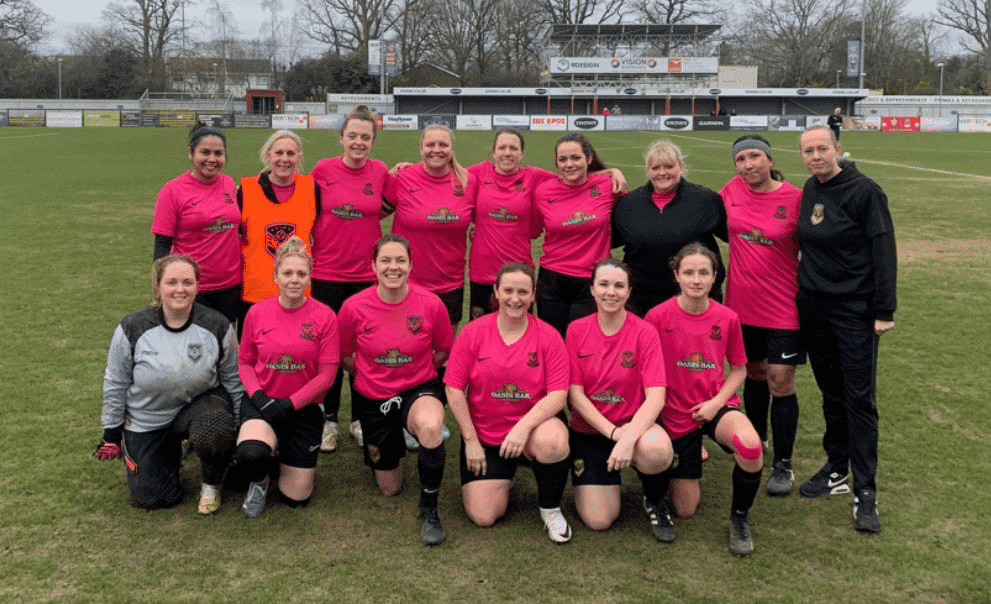

Sports are more than just a way to stay fit; they are often lifelines for mental well-being. From improving mood to providing a support network, the link between mental health and sport is undeniable. For many, group activities and physical exercise have been transformative, helping them overcome challenges and find hope in difficult times.
Jamie’s Journey: The Healing Power of Sport
Take Jamie’s story, for example. After battling depression due to a traumatic life event, he joined a local football club as a last-ditch effort to rebuild his life. At first, the physical aspect of training provided a distraction, but soon, the camaraderie and encouragement of his teammates began to improve his self-esteem. Jamie says the connection between mental health and sport became his lifeline, giving him the tools to not only recover but thrive.
This story is particularly poignant given that in the UK, the male suicide rate is alarmingly high. In 2022, the suicide rate for males was 16.4 deaths per 100,000, compared to 5.4 per 100,000 for females, according to the Office for National Statistics. These figures highlight the importance of accessible interventions like sports that can foster social connection and mental resilience.
Jamie’s story isn’t unique. Across the UK, countless individuals have experienced the mental health benefits of participating in sports. Whether it’s football, running, or swimming, the connection between mental health and sport is evident in both anecdotal stories and scientific research.
The Science Behind Mental Health and Sport
Physical activity is proven to have a positive effect on mental health. Exercise triggers the release of endorphins—brain chemicals that reduce stress and boost happiness. A study in the British Medical Journal revealed that regular physical activity can be as effective as antidepressants in managing depression, with vigorous activities like running or football offering significant benefits.
Team sports take these benefits even further. They foster social connections, reducing loneliness and helping individuals build strong support networks. This social element highlights why mental health and sport are deeply intertwined. For those who feel isolated, being part of a group can provide a sense of belonging and purpose.
Additionally, sports encourage discipline and focus, empowering participants to achieve small but meaningful victories. For someone struggling with their mental health, the structure of regular training or achieving a personal goal can provide a renewed sense of control and accomplishment.
Sarah’s Story: Running Towards Recovery
After losing her child, Sarah felt adrift. Her grief was compounded by isolation and a lack of purpose. Joining a community running group was her turning point. Running offered her a physical outlet for stress, while the group provided much-needed support. Sarah found healing in the shared experience of her teammates, once again proving the powerful link between mental health and sport.
Sarah now advocates for the inclusion of mental health resources in sporting communities. She believes that awareness of mental health and sport can save lives, as it did for her.
Building Safe Spaces for Mental Health and Sport
Clubs and teams are increasingly recognising the critical role they play in supporting mental health. Many have introduced mental health workshops and awareness campaigns to destigmatise emotional struggles. By combining the benefits of mental health and sport, clubs can create environments where participants feel understood and supported.
The Mental Health Foundation highlights that 74% of adults report feeling so stressed at some point they were overwhelmed or unable to cope. Sports offer an outlet to manage that stress, providing routine, goals, and connection. Organisations like Spond are helping clubs and teams make this a reality. With easy-to-use tools for communication and management, Spond enables teams to focus on fostering a positive atmosphere. Simplifying admin tasks means coaches and members can devote more time to addressing what matters most: supporting mental health through sport.
How You Can Experience the Benefits of Mental Health and Sport
If you or someone you know is struggling, consider joining a team or club. The benefits of mental health and sport are well-documented. Whether it’s the joy of scoring a goal, the camaraderie of a team, or the therapeutic rhythm of running, sports can be a powerful tool for healing.
For sports organisations, creating a mental health-friendly environment can make all the difference. Encourage conversations about mental health, provide training for staff, and partner with local charities to offer professional support. When clubs prioritise mental health and sport, they make a lasting impact on their members’ lives.
A Lifeline for Many
The stories of Jamie and Sarah are just two examples of how sport can transform lives. Across the UK, more people are realising the life-changing connection between mental health and sport. By joining a club, participating in a team, or simply getting active, you can experience these benefits too.
As awareness grows, it’s clear that the field or court isn’t just a place for competition—it’s a place for healing, connection, and hope. If you’ve experienced how mental health and sport have positively impacted your life, share your story. Together, we can celebrate the incredible power of sport to support mental well-being.
Find Out More:
FAQs